


Reading dog's body language...

One of the most common things we hear after an incident is:
“There was no warning.”
And often, it feels that way.
That’s because not all stress or discomfort is loud.
When dogs are anxious or frustrated, we may see obvious signs like barking or growling.
But when a dog feels overwhelmed or instinct takes over, things can become very quiet.
The body may stiffen.
The eyes may fixate.
Movements become more deliberate.
These subtle changes can be easy to miss if you don’t work closely with dogs every day.
Understanding this isn’t meant to create fear or worry.
It’s about awareness and safety — for your dog and for the people handling them.
Our job as groomers is to watch for these quiet signals and respond early, so grooming can stay as calm and positive as possible.
Case Study 1: Shih Tzu – “Very Good for Grooming… Until He Wasn’t”
Background:
A 6-year-old Shih Tzu, regular client, described by owners as “very chill” and “never aggressive.”
What we observed:
During face trimming, the dog suddenly became very still.
No growling. No pulling away.
His body stiffened, eyes widened slightly, and his breathing slowed.
Why that mattered:
This freeze response is often a sign the dog has reached their stress limit.
If ignored, it can lead to a sudden bite with no vocal warning.
Outcome:
The groomer paused, adjusted handling, and completed the groom safely.
Without noticing the quiet warning signs, this could have escalated quickly.
Case Study 2: Chihuahua – “No Warning Bite”
Background:
A 3-year-old Chihuahua, first visit, owner stated: “He doesn’t give warnings — he just bites.”
What we observed:
During nail trimming, the dog stopped resisting.
He became rigid, eyes fixed on the groomer’s hand.
Why that mattered:
Many bites described as “out of nowhere” actually follow this silent, instinctive response.
Small dogs especially may skip growling and go straight to action.
Outcome:
The groom was stopped early and a behavior plan was recommended.
This protected both the dog and the groomer from injury.
Case Study 3: Miniature Poodle – “High Tolerance, Sudden Switch”
Background:
A 9-year-old Mini Poodle with years of grooming experience.
What we observed:
During leg scissoring, the dog’s posture changed subtly:
tight muscles, locked gaze, slow controlled movements.
Why that mattered:
Dogs with high tolerance often give fewer warnings because they’ve learned to endure discomfort — until they can’t.
Outcome:
The groomer altered positioning and reduced handling time.
Recognizing the shift prevented a reactive moment.
Case Study 4: Maltese – “Quiet Doesn’t Mean Comfortable”
Background:
A 5-year-old Maltese, very quiet, never vocal.
What we observed:
While brushing mats behind the ears, the dog remained silent but showed:
Tense jaw
Fixed stare
Minimal blinking
Why that mattered:
Pain or discomfort often produces stillness rather than noise.
Silence can be a stress signal, not cooperation.
Outcome:
The groomer switched to a safer dematting approach and explained options to the owner.
Case Study 5: Yorkie – “Fast Escalation, No Noise”
Background:
A 4-year-old Yorkie, described as “sweet but sensitive.”
What we observed:
During sanitary trimming, the dog went from compliant to frozen in seconds.
Why that mattered:
When instinct takes over, dogs may bypass warning behaviors entirely.
This is especially common in small breeds with fast reflexes.
Outcome:
The groom was modified to reduce risk, avoiding a sudden reaction.
Client takeaway…
Not all stress looks dramatic.
Some of the most important warning signs are quiet, subtle, and easy to miss.
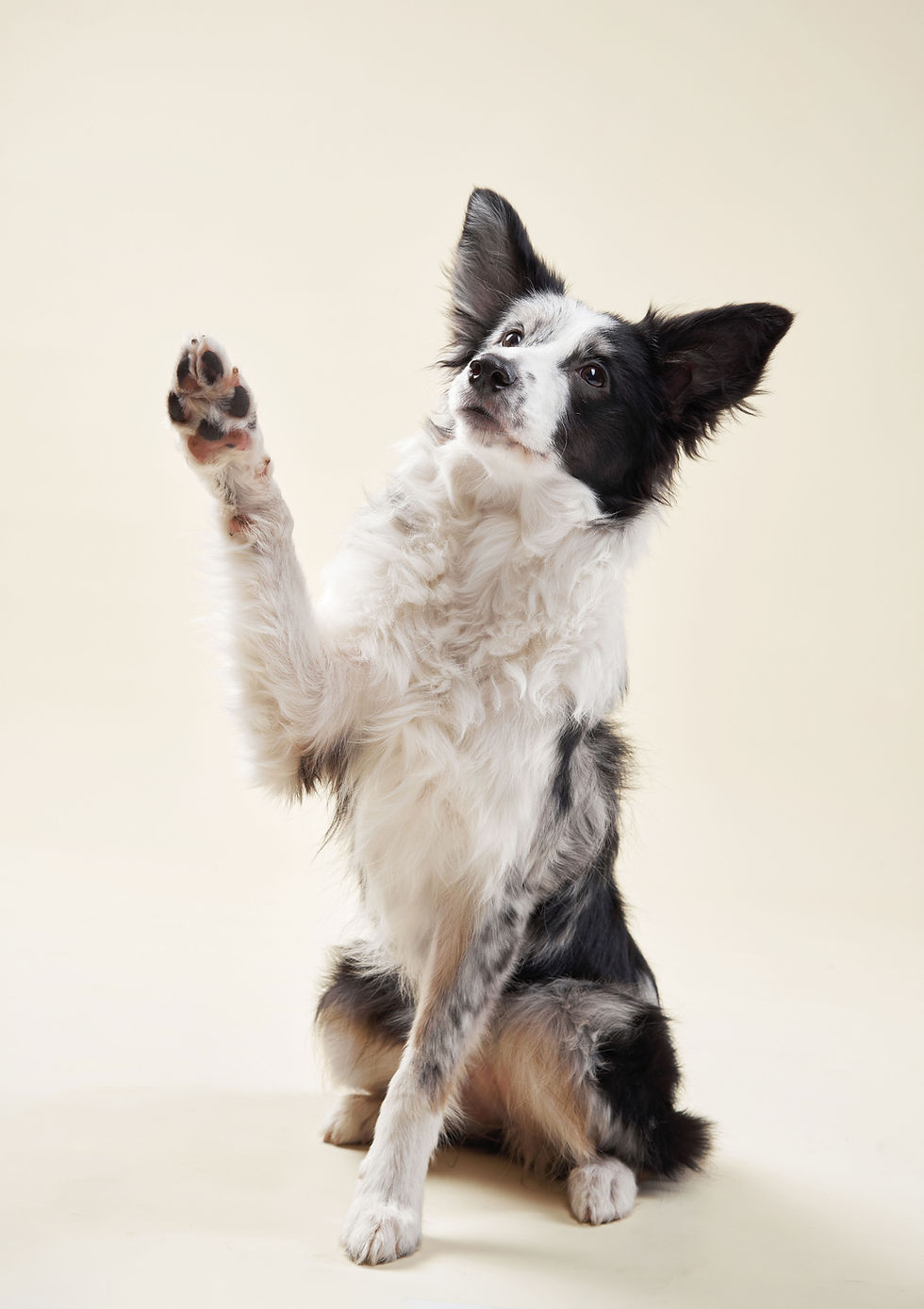
Our training as fear-free, holistic groomers is to notice these early signals and respond before a situation becomes unsafe — for your dog and for us.
#dogstress #DogReactions #DogReactivityHelp #calmdogs #holisticwellness #holisticwellbeing #holisticpetcare #holisticpethealth -#holisticpet


Comments